Tracker boat manuals are crucial for owners, offering essential guidance on operation, maintenance, and repair. Finding the right resources, whether
digital or printed, ensures a safe and enjoyable boating experience. These guides cover everything from basic functions to complex troubleshooting.
Online forums and official websites provide access to a wealth of information, including wiring diagrams and deck repair procedures. Understanding model years
is key to locating the correct manual for your specific Tracker boat.
Why Tracker Boat Manuals are Essential
Tracker boat manuals are absolutely vital for several key reasons, directly impacting both the longevity of your vessel and your safety on the water.
They provide detailed instructions for proper operation, preventing accidental damage and ensuring optimal performance.
Furthermore, these manuals are indispensable for routine maintenance tasks, like engine servicing and electrical system checks, helping avoid costly repairs down the line.
Access to wiring diagrams, as sought by boat owners in online forums, is critical for troubleshooting electrical issues; Knowing how to perform deck removal and recarpeting,
also a common request, extends the life of your boat and maintains its value. Ultimately, a manual empowers owners to confidently address issues and enjoy their Tracker boat fully.
Understanding Tracker Boat Model Years
Tracker boat model years are crucial when searching for the correct manual, as specifications and components can vary significantly. Owners seeking manuals, like those with a 2000 bass tracker or a 1989 Pro 17, often encounter challenges finding exact matches.
Manufacturers release Product Information Guides (PIGs), such as the 2018 International Digital PIG, detailing yearly changes. Knowing your boat’s production year ensures you access accurate wiring diagrams, repair procedures, and parts lists. Discrepancies between years can lead to incorrect maintenance or incompatible parts, highlighting the importance of precise identification.

Locating Tracker Boat Manuals
Finding Tracker boat manuals involves exploring several avenues, including the official Tracker website, third-party databases like Bakes Online, and active boat owner forums for shared resources.
Official Tracker Boat Website Resources
The official Tracker Boat website serves as a primary source for locating manuals, though availability can vary depending on the boat’s age and model. Owners should begin their search directly on the Tracker website, navigating to the support or owner’s resources section.
While comprehensive archives aren’t always present, newer models frequently have downloadable owner’s manuals. For older boats, contacting Tracker’s customer support directly might yield access to archived documentation or guidance on where to find relevant information. Checking for Product Information Guides (PIGs), like the 2018 International Digital PIG V4, can also provide valuable details.
Third-Party Online Manual Databases
Several third-party websites specialize in collecting and distributing boat manuals, offering an alternative when official sources fall short. Bakes Online is a prominent example, providing a vast “Boating Resource Library” with manufacturers’ guides, diagrams, and installation instructions.
These databases often contain manuals submitted by boat owners, potentially including those for older or less common Tracker models. However, users should verify the accuracy and completeness of any manual downloaded from these sources, as quality control can vary. Always cross-reference information when possible.
Boat Owner Forums and Communities
Online boat owner forums, like Bass Fishing Forums and iboats Boating Forums, are invaluable resources for Tracker boat manual information. Members frequently share manuals, wiring diagrams, and repair tips. Users have successfully requested and exchanged manuals for specific models, such as the Tracker Pro 17 and Pro Team 175 TXW.
These communities offer a platform to ask questions, discuss repair procedures, and gain insights from experienced Tracker boat owners. Searching forum archives can often uncover previously shared manual links or helpful advice.
Used Manuals and Printed Copies
Locating printed, used Tracker boat manuals can prove challenging, but isn’t impossible. While not explicitly mentioned in the provided sources, exploring online auction sites like eBay or contacting boat repair shops might yield results. These older manuals can be particularly useful for vintage models like the 1989 Tracker Pro 17.
However, availability is often limited, and condition can vary. Digital copies, when available, offer a more reliable and accessible alternative. Consider the cost versus the convenience of a digital download before pursuing a physical copy.

Types of Tracker Boat Manuals
Tracker boat manuals encompass owner’s guides for operation, detailed repair manuals for troubleshooting, wiring diagrams for electrical systems, and parts catalogs for component identification.
Owner’s Manuals: Basic Operation and Maintenance
Owner’s manuals are the foundational guides for Tracker boat owners, detailing essential operational procedures and routine maintenance schedules. These manuals cover pre-launch checks, safe boating practices, and proper handling of the vessel in various conditions.
They also provide instructions on basic maintenance tasks like flushing the engine, checking fluid levels, and winterizing the boat. Understanding these procedures is vital for preserving the boat’s performance and longevity. These guides often include safety warnings and recommended service intervals, ensuring responsible boat ownership.
Repair Manuals: Detailed Troubleshooting
Repair manuals delve into the intricacies of Tracker boat systems, offering detailed troubleshooting steps for various mechanical and electrical issues. These guides are invaluable when diagnosing problems beyond basic maintenance, providing exploded diagrams and component locations.
They cover topics like engine repair, steering system maintenance, and hull damage assessment. Accessing these manuals empowers owners to perform more complex repairs, potentially saving on professional service costs. However, it’s crucial to possess the necessary skills and tools before attempting any significant repairs.
Wiring Diagrams: Electrical System Information
Wiring diagrams are a critical component of Tracker boat manuals, providing a visual roadmap of the boat’s electrical system. These diagrams detail the connections between components like the battery, ignition, lights, and accessories. Obtaining these diagrams, sometimes directly from Tracker, is essential for troubleshooting electrical faults.
Understanding these schematics allows owners to identify short circuits, blown fuses, or faulty wiring. They are particularly helpful when adding new accessories or modifying the existing electrical setup. Accurate diagrams ensure safe and functional electrical repairs.
Parts Catalogs: Identifying Components
Parts catalogs, often found within comprehensive Tracker boat manuals or available separately, are invaluable for identifying specific components. These catalogs utilize detailed diagrams and part numbers, enabling accurate ordering of replacement parts. Correct identification prevents compatibility issues and ensures proper repairs.
Whether replacing a damaged switch, a worn-out pump, or a specific hull fitting, the catalog streamlines the process. Having the correct part number eliminates guesswork and minimizes downtime. Accessing these catalogs is crucial for maintaining your Tracker boat efficiently.

Specific Tracker Boat Model Manuals
Locating manuals for specific Tracker models, like the Pro Team 175 TXW (2012 & later) or Pro 17 (1989), often requires targeted searches. General bass boat manuals offer broader guidance.
Tracker Pro Team 175 TXW Manuals (2012 & Later)
Owners of the Tracker Pro Team 175 TXW, particularly those with 2012 or newer models, frequently seek dedicated owner’s manuals. These resources are invaluable for understanding the boat’s specific features and maintenance requirements.
Finding these manuals can sometimes prove challenging, as readily available online sources are limited. Boat owners have reported success by directly contacting Tracker Boat customer support or exploring boating forums like iboats, where fellow enthusiasts may share or point towards available resources.
These manuals typically cover essential aspects such as engine specifications, electrical system operation, and routine maintenance schedules, ensuring optimal performance and longevity of the vessel.
Tracker Pro 17 Manuals (1989 & Similar)
Locating manuals for the Tracker Pro 17, especially those from 1989 and similar years, often requires a bit more effort due to their age. While official digital archives may be incomplete, resourceful boat owners have discovered helpful information within online communities.
Specifically, the Aluminum Boat Jon/V Boat Discussion Forum has proven a valuable source, with members sharing scanned wiring diagrams for these older models. These diagrams are crucial for electrical system troubleshooting and repairs.
Directly contacting Tracker Boat for older documentation is also recommended, though availability isn’t guaranteed.
Tracker Bass Boat Manuals (General)
General Tracker bass boat manuals, encompassing various models, often share common maintenance procedures and operational guidelines. Owners frequently seek repair manuals to address issues like wiring problems and deck restoration. Online forums, such as Bass Boats, Canoes, Kayaks and more, are excellent resources for locating information.
These forums often host discussions about specific repairs and modifications, providing practical advice from experienced Tracker boat owners. Accessing a comprehensive library like Bakes Online can also yield valuable diagrams and guides.
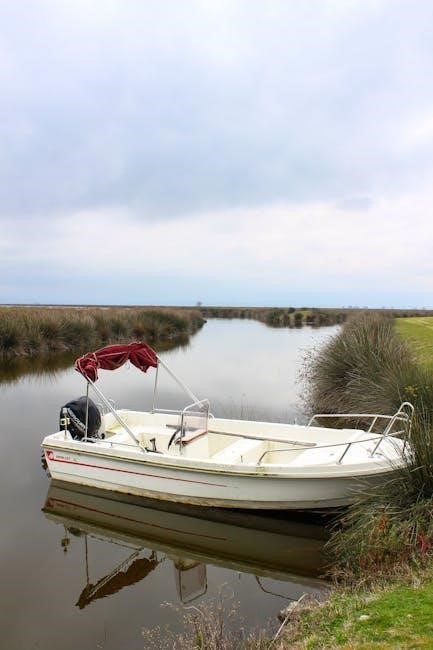
Manual Contents and Key Information
Tracker boat manuals detail engine specs, electrical system troubleshooting, hull repair, and trailer maintenance. They provide crucial data for optimal performance and longevity of your vessel.
Engine Specifications and Maintenance
Tracker boat manuals dedicate significant sections to engine details, outlining horsepower, fuel requirements, and oil types. Regular maintenance schedules are clearly defined, covering oil changes, filter replacements, and spark plug inspections;
Understanding these specifications is vital for preserving engine performance and preventing costly repairs. Manuals often include troubleshooting guides for common engine issues, assisting owners in diagnosing and resolving problems. Proper winterization procedures are also detailed, protecting the engine during off-season storage. Following these guidelines ensures a reliable and long-lasting boating experience.
Electrical System Troubleshooting
Tracker boat manuals provide detailed electrical system diagrams, crucial for diagnosing issues with lights, pumps, and other components. They guide owners through identifying blown fuses, faulty relays, and damaged wiring. Step-by-step instructions assist in testing circuits and pinpointing the source of electrical problems.
Understanding wiring connections and electrical symbols is key to effective troubleshooting. Manuals often include voltage charts and resistance values for various components. Safe practices are emphasized, warning against working with live circuits. Proper diagnosis minimizes downtime and ensures safe operation.
Hull and Deck Repair Procedures
Tracker boat manuals offer guidance on addressing damage to the hull and deck, ranging from minor scratches to significant cracks. They detail proper preparation techniques, including cleaning and sanding affected areas. Instructions cover the application of fiberglass repair kits and marine-grade sealants.
Manuals emphasize the importance of using compatible materials to ensure a lasting repair. Step-by-step diagrams illustrate patching procedures and gel coat matching techniques. Safety precautions are highlighted, including wearing appropriate protective gear. Following these procedures maintains structural integrity and prevents further damage.
Trailer Maintenance and Repair
Tracker boat manuals dedicate sections to trailer upkeep, vital for safe transport. They detail bearing lubrication schedules, wheel inspections, and tire pressure recommendations. Manuals guide users through brake system checks, including pad replacement and fluid level maintenance.
Wiring harness inspections are covered, addressing corrosion and connection issues. Instructions explain winch operation and strap replacement procedures. Proper loading techniques are emphasized to ensure balanced weight distribution. Regular maintenance, as outlined, prevents breakdowns and extends trailer lifespan.
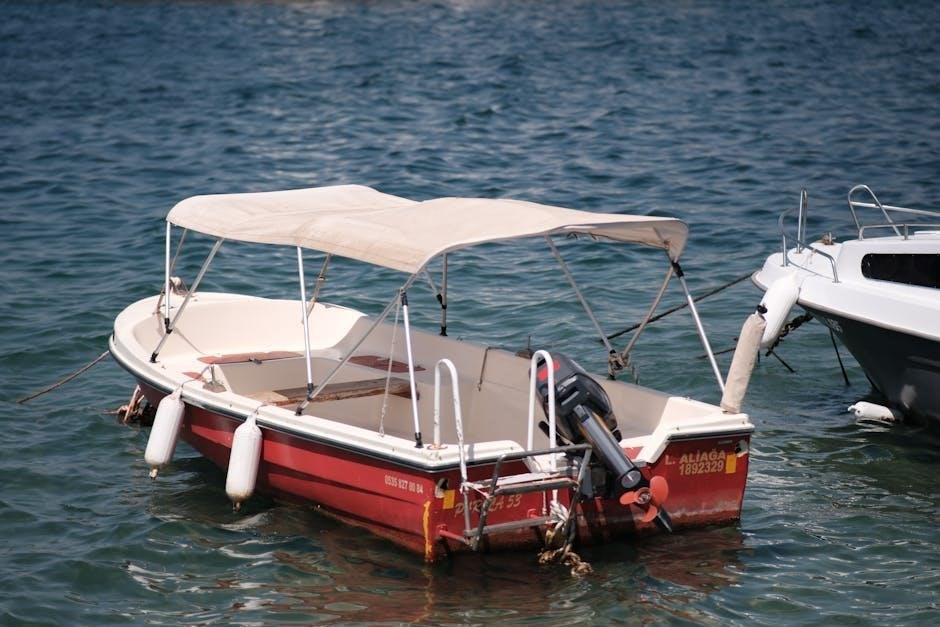
Decoding Wiring Diagrams
Tracker boat manuals feature wiring diagrams using standardized symbols to illustrate electrical connections. Understanding these symbols and tracing wire paths is essential for troubleshooting and repairs.
Understanding Electrical Symbols
Electrical symbols within Tracker boat manuals represent components like batteries, fuses, switches, and lights. A solid line signifies a wire, while dashed lines indicate ground connections. Recognizing these symbols is paramount for interpreting wiring diagrams accurately. Common symbols include those for relays, circuit breakers, and various connectors.
Familiarizing yourself with these visual cues allows you to effectively trace electrical circuits and diagnose issues. The manuals often include a key defining each symbol, ensuring clarity for boat owners undertaking electrical work. Proper understanding prevents misdiagnosis and potential damage to the boat’s electrical system.
Tracing Wire Connections
Tracing wire connections in a Tracker boat requires careful use of the wiring diagrams found in the manuals. Start at the power source, typically the battery, and follow the wire’s path to the component. Note any splices, connectors, or inline fuses along the way. Diagrams illustrate color coding, aiding identification.
A multimeter can verify continuity and identify breaks in the circuit. Systematically check each connection, ensuring it’s secure and corrosion-free. Accurate tracing is vital for troubleshooting electrical faults and performing repairs safely and effectively, preventing further damage.
Identifying Fuses and Relays
Tracker boat manuals detail the location and amperage of each fuse, protecting the electrical system. Fuses prevent damage from overloads; a blown fuse indicates a circuit issue. Relays, acting as switches, control higher-current circuits with a lower-current signal.
Manuals illustrate relay functions and pinouts. Identifying these components is crucial for troubleshooting electrical problems. Always replace a blown fuse with one of the exact same amperage; Incorrect fuses can cause further damage or even create a fire hazard, so caution is paramount.

Deck Removal and Recarpeting
Tracker boat manuals provide step-by-step guides for deck removal, essential for repairs or recarpeting. Selecting appropriate carpeting and utilizing proper techniques
guarantees a durable, professional finish.
Careful removal and precise installation are key to maintaining structural integrity and preventing water damage.
Step-by-Step Deck Removal Guide
Tracker boat manuals detail a systematic approach to deck removal, beginning with disconnecting the wiring and hardware. Carefully unscrew or unbolt the deck components, labeling each part for easy reassembly.
Pay close attention to the console and seating areas, as these often have complex mounting systems. Once all fasteners are removed, gently lift the deck sections, taking care not to damage the underlying structure. Document the process with photos for reference during reinstallation.
Properly dispose of old carpeting and inspect the deck base for any necessary repairs before proceeding with recarpeting.
Choosing the Right Carpeting Material
Tracker boat manuals emphasize selecting marine-grade carpeting designed to withstand the harsh boating environment. Consider factors like UV resistance, water repellency, and mildew prevention. Common choices include cut-pile and loop-pile carpets, each offering different levels of durability and comfort.
Evaluate the thickness and density of the carpeting to ensure adequate cushioning and sound absorption. Opt for materials specifically formulated for boat decks, as they resist staining and wear better than standard carpets.
Proper material selection extends the life of your deck and enhances the overall boating experience.
Recarpeting Techniques and Best Practices
Tracker boat manuals detail a meticulous recarpeting process. Begin by thoroughly cleaning the deck, removing all old adhesive and debris. Accurate template creation, using the old carpet as a guide, is crucial for a precise fit. Apply marine-grade adhesive evenly, ensuring full coverage for a secure bond.
Carefully position the new carpet, smoothing out any wrinkles or bubbles. Utilize a seam roller to firmly adhere the carpet to the deck. Proper sealing of edges prevents water intrusion and extends carpet life.
Follow manual instructions for adhesive drying times.

Accessing Additional Resources
Beyond official sources, Bakes Online and International Digital PIG offer extensive boat information. Tracker Boat Customer Support can also provide assistance and manuals.
Bakes Online and Similar Libraries
Bakes Online stands as a remarkable, freely accessible resource for boat owners seeking a comprehensive collection of manuals, guides, and diagrams. This digital library contains a wealth of manufacturer information, including installation instructions and detailed schematics, proving invaluable for both routine maintenance and complex repairs.
Users can navigate through a vast archive, potentially locating the specific Tracker boat manual they require, or find related documentation to aid in troubleshooting. Similar online libraries also exist, expanding the possibilities for finding the necessary resources to keep your boat in optimal condition.
International Digital Product Information Guides (PIG)
International Digital Product Information Guides (PIG), such as the 2018 version (V4), offer a valuable source of information for Tracker boat owners. These guides detail boat changes and specifications for specific model years, providing insights into updates and modifications implemented by the manufacturer.
While not a direct replacement for a full owner’s or repair manual, the PIG can supplement existing documentation, offering a broader understanding of your boat’s features and any year-to-year alterations. Accessing these guides can be beneficial when researching specific components or troubleshooting issues.
Contacting Tracker Boat Customer Support
Directly contacting Tracker Boat customer support can be a valuable resource when facing difficulties locating or understanding manual information. While online resources are plentiful, a direct line to the manufacturer can resolve specific queries about your boat model and year.
Customer support representatives may be able to provide digital copies of manuals, clarify ambiguous instructions, or offer guidance on where to find the information you need. Be prepared to provide your boat’s Hull Identification Number (HIN) for efficient assistance.

Troubleshooting Common Manual Issues
Manual issues like missing pages, unclear instructions, or outdated information can hinder repairs. Online forums and contacting Tracker directly can help clarify ambiguities and locate updated details.
Missing Pages or Diagrams
Encountering missing pages or diagrams within your Tracker boat manual is a surprisingly common frustration for owners. Often, older manuals or photocopies suffer from incomplete sections, particularly concerning electrical schematics or detailed repair illustrations.
Fortunately, several avenues exist for resolution. Boat owner forums, like those discussed, frequently host shared scans of complete manuals, allowing users to fill in the gaps. Directly contacting Tracker Boat customer support is also advisable; they may be able to provide digital copies of missing sections or even mail a replacement manual.
Remember to clearly specify your boat’s model year and the specific pages needed when requesting assistance.
Unclear Instructions
Ambiguous or poorly worded instructions within Tracker boat manuals can present a significant challenge, even for experienced boaters. Technical jargon, lack of detailed illustrations, or simply convoluted phrasing can lead to misinterpretation and potential errors during maintenance or repair.
Online communities and forums, as highlighted, become invaluable resources in these situations. Fellow Tracker boat owners often share their experiences and offer clarifying explanations. Supplementing the manual with online video tutorials can also greatly improve understanding.
Don’t hesitate to seek expert advice if uncertainty persists.
Outdated Information
Older Tracker boat manuals may contain information that is no longer accurate due to model updates, component changes, or revised safety standards. Electrical systems, in particular, are prone to modifications over time, rendering older wiring diagrams obsolete. Relying on outdated information can lead to incorrect repairs or even safety hazards.
Cross-referencing with newer resources, like the International Digital PIG guides, is crucial. Online forums often contain discussions about updates and corrections to manual information. Always prioritize current best practices and consult with a qualified marine technician when in doubt.

The Future of Tracker Boat Manuals
Tracker boat manuals are evolving towards digital formats, offering interactive experiences with videos and community updates. Online access and dynamic content will enhance user support and simplify maintenance.
Digital Manuals and Online Access
The shift to digital Tracker boat manuals offers significant advantages over traditional printed copies. Online access provides instant availability, eliminating the need to search for physical documents. Updates and revisions can be deployed immediately, ensuring owners always have the most current information.
Interactive features, such as searchable databases and clickable diagrams, enhance usability. Furthermore, digital formats reduce environmental impact and storage requirements. Bakes Online and similar libraries exemplify this trend, providing a centralized repository of boat-related resources. This accessibility empowers owners to perform maintenance and repairs confidently.
Interactive Manuals with Videos
The future of Tracker boat manuals leans heavily towards interactive experiences, incorporating video tutorials alongside traditional text and diagrams. Visual demonstrations simplify complex procedures, like deck removal or electrical system troubleshooting, making them accessible to boaters of all skill levels.
These dynamic resources can guide users step-by-step through maintenance tasks, reducing errors and promoting confidence. Interactive elements, such as 3D models and clickable parts lists, further enhance understanding. This evolution promises a more engaging and effective way to learn about boat ownership and repair.
Community-Driven Manual Updates
Tracker boat owners are a valuable resource for keeping manuals current and accurate. Forums like iboats demonstrate a willingness to share knowledge, including wiring diagrams and repair tips. A community-driven approach allows for the identification and correction of outdated information or unclear instructions.
This collaborative model ensures manuals reflect real-world experiences and address common issues. User feedback can highlight areas needing improvement, leading to more comprehensive and reliable documentation. Such a system fosters a stronger connection between Tracker and its customer base.