What is Periop 101?
Periop 101 is a foundational curriculum for perioperative nurses, offering a comprehensive study guide PDF that covers pre‑operative assessment, surgical instrumentation, infection control, anesthesia, and patient safety. It equips learners with exam‑ready knowledge and practical skills. See PDFinfo

Core Curriculum Overview

The Core Curriculum of the AORN Periop 101 program is structured to provide a systematic, evidence‑based framework that aligns with national standards for perioperative nursing practice. It is divided into modules that address foundational knowledge, clinical skills, and critical thinking required for safe, efficient, and patient‑centered care in the operating room. Each module builds on the prior one, ensuring learners progress from basic concepts like patient assessment and risk stratification to anesthesia management, instrumentation, postoperative recoverys!? The curriculum emphasizes the integration of interdisciplinary teamwork, ethical decision‑making, and continuous quality improvement. It also covers infection control, env cleaning, patient care safety management. By the end of the program, students are expected to demonstrate proficiency in pre‑operative evaluation, intra‑operative safety protocols, and post‑operative follow‑up, as well as the ability to apply evidence‑based guidelines to real‑world scenarios. The curriculum is designed to be flexible, allowing educators to tailor the content to specific institutional needs while maintaining alignment with the AORN Core Curriculum™ standards. Assessment methods include quizzes, case studies, simulation exercises, and a final exam that tests knowledge across all domains. The accompanying study guide PDF provides detailed explanations, reference tables, and practice questions to support mastery of each topic area!!!

Exam Structure and Question Types
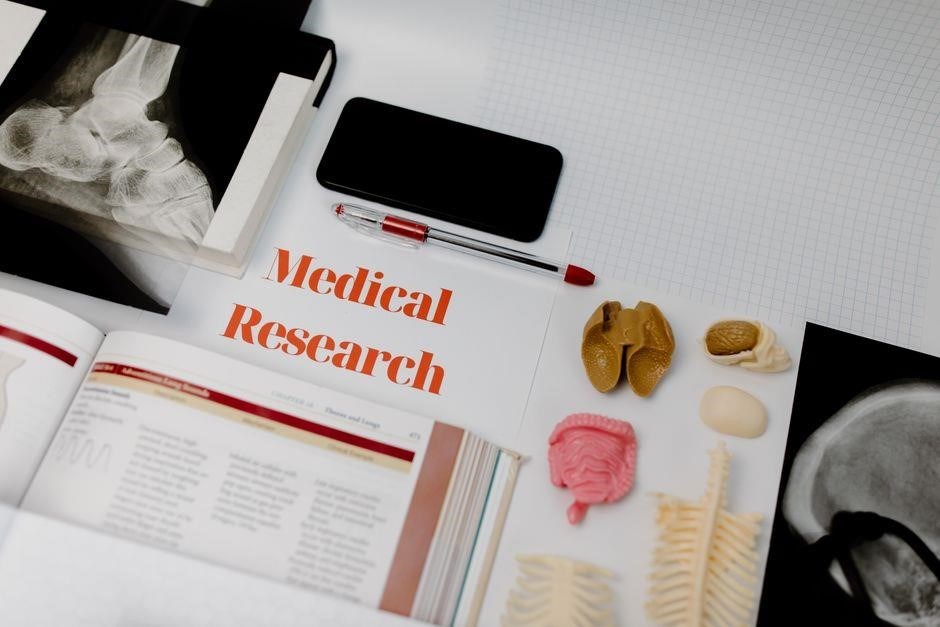
The Periop 101 final exam is a comprehensive assessment designed to evaluate a candidate’s mastery of perioperative nursing fundamentals. It consists of 200 multiple‑choice items divided into six distinct sections that mirror the core curriculum: patient assessment, surgical instrumentation, anesthesia, infection control, environmental cleaning, and postoperative care. Each section contains 30–35 questions, ensuring balanced coverage of high‑yield topics. The exam employs a weighted scoring system, with a passing threshold of 70%. Question formats include single‑best‑answer, multiple‑response, and case‑scenario questions that require integration of knowledge and critical thinking. Time is allocated at 90 minutes, providing an average of 27 seconds per item. The test is administered electronically via a secure online platform, allowing for adaptive testing in future iterations. Candidates receive immediate feedback on their performance, including a detailed score report that highlights strengths and areas for improvement. This structure encourages focused review of high‑impact content and supports continuous professional development for perioperative nurses seeking certification or credential renewal. Students are encouraged to review official AORN guide PDF, which provides explanations, tables, and practice questions aligned with each exam section, ensuring thorough preparation that addresses knowledge gaps and application skills. Keep studying!!.
The Periop 101 final exam is a comprehensive assessment designed to evaluate a candidate’s mastery of perioperative nursing fundamentals. It consists of 200 multiple‑choice items divided into six distinct sections that mirror the core curriculum: patient assessment, surgical instrumentation, anesthesia, infection control, environmental cleaning, and postoperative care. Each section contains 30–35 questions, ensuring balanced coverage of high‑yield topics. Question formats include single‑best‑answer, multiple‑response, and case‑scenario questions that require integration of knowledge and critical thinking. Time is allocated at 90 minutes, providing an average of 27 seconds per item. The exam is administered electronically via a secure online platform, allowing for adaptive testing in future iterations. Candidates receive immediate feedback on their performance, including a detailed score report that highlights strengths and areas for improvement. This structure encourages focused review of high‑impact content and supports continuous professional development for perioperative nurses seeking certification or credential renewal. Students are encouraged to review official AORN guide PDF, which provides explanations, tables, and practice questions aligned with each exam section, ensuring thorough preparation that addresses knowledge gaps and application skills. Keep studying!!.

Key Clinical Topics
The Periop 101 study guide PDF focuses on the most critical clinical areas that perioperative nurses must master. It begins with pre‑operative assessment, detailing patient history, risk factor identification, and baseline data collection. Next, the guide covers surgical instrumentation, explaining instrument sets, sterile technique, and instrument handling. The anesthesia section outlines types of anesthesia, monitoring parameters, and common complications. Infection control is emphasized through evidence‑based protocols for hand hygiene, barrier precautions, and device sterilization. The guide also addresses environmental cleaning standards, including room turnover, surface disinfection, and waste segregation. Health information management topics cover documentation accuracy, patient privacy, and electronic health record integration. Finally, the guide discusses medications and drug interactions, highlighting perioperative pharmacology, dosage calculations, and adverse reaction management. Each topic is illustrated with case scenarios, practice questions, and concise review tables to reinforce learning and exam readiness. The guide also provides concise flashcards, interactive quizzes, and a comprehensive glossary of perioperative terminology, enabling learners to quickly reference key concepts during high‑pressure clinical scenarios and ensuring that knowledge translates into safe, evidence‑based practice. Students can also download the PDF and review the key points on their mobile devices foronthego learning.

Patient Assessment and Safety
The Periop 101 study guide PDF outlines a systematic approach to pre‑operative evaluation, emphasizing thorough history taking, physical examination, and risk stratification. It explains the use of the American Society of Anesthesiologists (ASA) physical status classification, laboratory requisitions, and the importance of reviewing medication lists for potential interactions. The guide stresses identification of comorbidities such as cardiovascular, pulmonary, renal, and endocrine disorders, and how these influence surgical planning. The guide outlines verifying patient identity via the “five‑rights” protocol and bar‑coded wristbands. Safety is reinforced by the Universal Protocol, ensuring correct patient, procedure, and site. It also covers pre‑operative checklists, like the WHO Surgical Safety Checklist, to reduce errors and improve team communication efficiently daily. Emphasis is placed on the importance of informed consent, explaining risks, benefits, and alternatives. Additionally, the guide addresses fall prevention strategies, positioning protocols, and the management of intra‑operative emergencies. By integrating these elements, the PDF equips nurses to anticipate complications, maintain safety, and provide care throughout the perioperative period. The guide highlights pre‑operative education, ensuring patients understand postoperative expectations and pain management. It offers a checklist for pre‑operative clearance, including the assessment of airway, breathing, circulation, and the.!

Anesthesia and Pharmacology
The Periop 101 study guide PDF offers a concise yet comprehensive overview of anesthesia principles tailored for perioperative nurses. It begins by defining the three main categories of anesthesia—regional, general, and local—highlighting their indications, contraindications, and typical drug regimens. The guide details the pharmacologic agents used in induction (e.g., propofol, etomidate), maintenance (volatile agents such as sevoflurane, isoflurane), and reversal (flumazenil, naloxone). It explains the mechanism of action, dosage calculations based on body weight, and monitoring parameters for each drug class. Emphasis is placed on the importance of pre‑operative medication review, including anticoagulants, antiplatelets, and chronic disease drugs that may interact with anesthetic agents. The guide also covers the management of common intra‑operative complications such as hypotension, hypoxia, and malignant hyperthermia, providing evidence‑based pharmacologic interventions. Additionally, it outlines the postoperative pain control strategies, comparing opioid and non‑opioid modalities, and discusses multimodal analgesia protocols to minimize opioid consumption. The PDF incorporates quick‑reference tables for drug dosages, side effect profiles, and antidotes, facilitating rapid decision‑making during the surgical encounter. By integrating pharmacologic theory with practical application, the guide equips nurses to collaborate effectively with anesthesiology teams and ensure patient safety throughout the perioperative continuum. The guide also emphasizes the role of the perioperative nurse in monitoring vital signs, recognizing early signs of drug toxicity, and initiating appropriate interventions. It includes a section on the pharmacokinetics of commonly used agents, illustrating how factors such as age, organ function, and genetic polymorphisms influence drug distribution and elimination. Furthermore, the PDF highlights the importance of documentation, ensuring accurate recording of drug administration times, doses, and patient responses, which is critical for continuity of care and legal compliance. Finally, the guide presents a set of case studies that illustrate real‑world scenarios, encouraging learners to apply pharmacologic knowledge to complex clinical situations and reinforcing critical thinking skills essential for safe anesthesia practice. It improves outcomes daily!
Practical Study Strategies
Use spaced repetition, flashcards, and active recall to master periop concepts. Simulate patient scenarios, review case studies, and practice with the 600‑question PDF. Schedule daily review sessions, group study, and self‑assessment quizzes for retention. 2026.
Preoperative Assessment Essentials
Preoperative assessment is the cornerstone of safe surgical care. The AORN Periop 101 study guide PDF emphasizes a systematic approach that begins with a thorough patient history, including comorbidities, medication review, allergies, previous anesthesia experiences. A focused physical examination evaluates airway anatomy, cardiopulmonary status, potential surgical risks. Critical labs—CBC, electrolytes, coagulation profile, type‑and‑screen—are interpreted in the context of the planned procedure. Risk stratification tools such as ASA Physical Status Classification and Revised Cardiac Risk Index guide decision‑making for anesthesia type, perioperative monitoring intensity. Documentation mandatory: preoperative assessment form captures all findings, patient‑centered goals, informed consent discussions. Nurses must verify that patient understands surgical plan, potential complications, postoperative expectations. This shared‑decision process enhances compliance, reduces anxiety. Safety protocols include “time‑out” checklist, which confirms patient identity, surgical site, procedure. Guide stresses importance of verifying surgical team’s readiness, ensuring instruments present, sterilized, operating room environment meets infection‑control standards. Education is two‑way street; patients should receive clear instructions on fasting, medication adjustments, postoperative care. PDF included The guide also offers case studies, review quizzes, and a reference table for quick recall!!
Surgical Instrumentation and Hemostasis
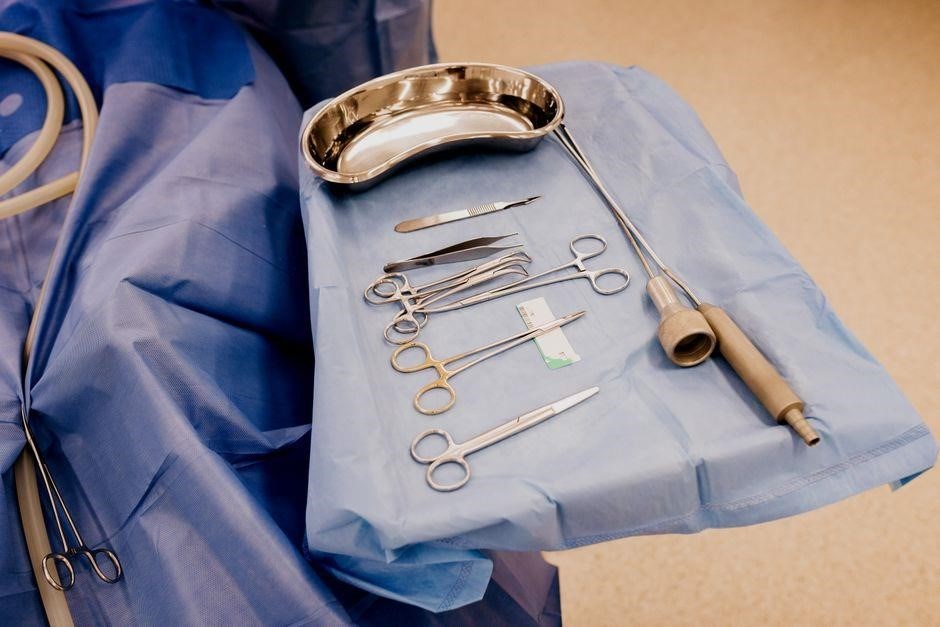
In the AORN Periop 101 study guide PDF, surgical instrumentation and hemostasis form a critical module that trains perioperative nurses to master the selection, handling, and sterilization of instruments while ensuring effective blood control during procedures. The guide details the classification of instruments—cutting, grasping, retracting, suction, and cautery—highlighting their specific indications, proper orientation, and the importance of maintaining a sterile field. It emphasizes the use of instrument trays, the “instrument set” concept, and the need for meticulous inspection before each case to detect damage or missing components. The text also covers the principles of hemostasis, including direct pressure, ligature techniques, electrocautery settings, topical agents, and the role of tourniquets. Nurses learn to anticipate bleeding risks based on patient factors, surgical site, and procedure type, and to implement appropriate control strategies. The PDF provides visual diagrams of instrument placement, flowcharts for hemostatic decision‑making, and checklists to verify instrument readiness. By integrating evidence‑based guidelines and hands‑on practice scenarios, learners develop confidence in maintaining a clean, efficient, and safe operating environment. The module concludes with a review of common complications, troubleshooting tips, and a set of practice questions to reinforce knowledge and application. This concise module equips staff with actionable checklists evidence‑based protocols !

Infection Control and Sterilization
In the AORN Periop 101 study guide PDF, the Infection Control and Sterilization section is a cornerstone that equips perioperative nurses with the knowledge and skills required to uphold standards of patient safety. The module begins by defining the hierarchy of cleanliness—clean, sterile, and clean‑under‑sterile—and explains the role of aseptic technique in preventing surgical site infections (SSIs). It outlines the proper use of personal protective equipment (PPE), hand hygiene protocols, and environmental cleaning in the operating room (OR). The guide details the sterilization process, including the selection of sterilization methods (steam, ethylene oxide, hydrogen peroxide plasma), load configuration, cycle parameters, and the use of biological indicators (BIs) to verify sterility. It also covers instrument reprocessing steps: pre‑cleaning, disassembly, cleaning, rinsing, drying, and packaging, with emphasis on preventing cross‑contamination. The PDF presents evidence‑based guidelines for managing contaminated instruments, the use of disposable versus reusable items, and the role of instrument tracking systems. It includes a comprehensive checklist for sterilization validation, troubleshooting common failures, and strategies for maintaining compliance with regulatory standards such as ISO 11135 and ISO 11137. By integrating case studies, flowcharts, and practice questions, the module reinforces critical thinking and promotes adherence to best practices, ultimately reducing SSI rates and enhancing patient outcomes.
Additionally, the guide addresses emerging technologies such as single‑use instruments, antimicrobial coatings, and sterilization monitoring. It discusses the impact of antibiotic prophylaxis timing, skin preparation agents, and the role of the perioperative team in coordinating infection prevention measures. The section concludes with a set of self‑assessment questions to evaluate comprehension, ensuring that learners can apply the principles of infection control and sterilization in real‑world OR settings. These practices are aligned with national benchmarks.
Finally, the PDF emphasizes continuous quality improvement, encouraging nurses to participate in morbidity and mortality reviews, audit cycles, and to stay current with evolving guidelines from the Centers for Disease Control and Prevention (CDC) and the Association for Professionals in Infection Control and Epidemiology (APIC). By fostering a culture of safety and accountability, the module prepares perioperative staff to lead initiatives that reduce infection risks and promote optimal surgical outcomes. These initiatives are supported by education and training. Continuous improvement is vital for sustaining low infection rates.
Endoscopic and Laparoscopic Surgery
In the Periop 101 study guide PDF, the Endoscopic and Laparoscopic Surgery section provides a concise yet comprehensive overview of minimally invasive techniques that have reshaped modern perioperative practice. The module begins by defining key terms—laparoscopy, thoracoscopy, arthroscopy, and endoscopy—and explains the anatomical landmarks, patient positioning, and port placement strategies that optimize visualization while minimizing trauma. It emphasizes the importance of pre‑operative planning, including the selection of appropriate instruments, insufflation pressures, and the use of image‑guided navigation systems. The guide details the roles of the surgical team, highlighting the responsibilities of the circulating nurse in maintaining a sterile field, managing insufflation equipment, and monitoring intra‑abdominal pressure to prevent complications such as capnothorax or abdominal compartment syndrome. The module further discusses patient safety measures—monitoring vital signs, ensuring adequate anesthesia depth, and preparing for rapid conversion if needed. It incorporates evidence‑based guidelines for antibiotic prophylaxis, postoperative pain management, and early mobilization protocols. The study guide includes illustrative diagrams and flowcharts, plus practice questions on instrument handling. By integrating case studies of laparoscopic cholecystectomy, learners gain practical insight into workflow, teamwork for minimally invasive surgery. The module concludes with a checklist for intra‑operative safety and key competencies for nurses to support endoscopic and laparoscopic procedures, ensuring optimal outcomes. This knowledge equips nurses to deliver safe care!!!!!!
Environmental Cleaning Standards
Environmental cleaning standards are critical to prevent surgical site infections and maintain a sterile operating environment. The Periop 101 study guide PDF outlines the hierarchy of cleaning, from routine housekeeping to high‑level disinfection of instruments and surfaces. It explains the use of EPA‑registered disinfectants, the importance of contact time, and the selection of appropriate cleaning agents for different material surfaces. The guide details the steps for cleaning the operating room floor, walls, and equipment, including the use of microfiber cloths, disposable wipes, and automated cleaning devices. It emphasizes the role of the circulating nurse in verifying that all surfaces have been cleaned, that no debris remains, and that the room meets the required sterility standards before the surgical team enters. The module also covers environmental monitoring protocols, such as air sampling, surface cultures, and the interpretation of colony‑forming unit (CFU) counts. It discusses the impact of ventilation systems, HEPA filters, and laminar airflow on infection control. The study guide provides checklists for pre‑operative and post‑operative cleaning, ensuring that all steps are followed consistently. It includes case studies illustrating common lapses and the consequences of inadequate cleaning. By mastering these standards, perioperative nurses can reduce the risk of contamination, improve patient safety, and support the overall quality of surgical care. In addition, the guide addresses the importance of proper waste segregation, the use of color‑coded containers for sharps, biohazard, and general waste, and the protocols for disposing of contaminated materials. It explains the regulations governing hazardous waste, the need for double‑bagging, and the labeling requirements. The guide also covers the cleaning of reusable surgical instruments, the role of the instrument technician, and the importance of maintaining a clean instrument tray before each case. It highlights the use of ultrasonic cleaners, steam sterilizers, and chemical sterilization methods, and the importance of verifying sterilization parameters such as temperature, pressure, and time. The module includes a troubleshooting section for common cleaning failures, such as residue buildup, equipment malfunction, or inadequate disinfectant concentration. It also provides guidance on training staff, conducting competency assessments, and documenting cleaning activities in the electronic health record. By integrating these practices, perioperative nurses can ensure compliance with national standards and achieve optimal patient outcomes. Continuous improvement through audit and feedback loops keeps the cleaning process aligned with evolving evidence and regulatory changes.
Health Information Management
Health information management (HIM) in perioperative care ensures accurate documentation, privacy compliance, and data integrity throughout the surgical continuum. The Periop 101 study guide PDF emphasizes the role of the perioperative nurse as a key steward of patient records, from pre‑operative checklists to post‑operative discharge summaries. It outlines the use of standardized terminology, such as SNOMED CT and ICD‑10 codes, to capture diagnoses, procedures, and complications. The guide details the workflow for entering data into electronic health records (EHRs), including the importance of real‑time documentation to avoid transcription errors and to support clinical decision‑making. It covers the legal and ethical obligations under HIPAA, explaining the safeguards for protected health information (PHI) and the protocols for secure data transmission. The module also addresses the integration of perioperative data with hospital quality metrics, such as surgical site infection rates, readmission rates, and patient‑reported outcome measures. It provides templates for operative reports, anesthesia charts, and postoperative progress notes, highlighting the critical elements that must be captured for billing, coding, and compliance audits. The guide discusses the use of barcoding and RFID technology to track instruments and supplies, reducing inventory errors and ensuring traceability. By mastering HIM principles, nurses enhance safety, support research, and improve quality initiatives.
Medications and Drug Interactions
Periop 101’s medication module equips perioperative nurses with a systematic approach to pharmacologic management, emphasizing pre‑operative assessment, intra‑operative drug selection, and post‑operative monitoring. The study guide PDF details the pharmacokinetics of commonly used agents—local anesthetics, opioids, neuromuscular blockers, and anticoagulants—highlighting onset, duration, and elimination pathways. It stresses the importance of reviewing patient histories for contraindications, allergies, and potential drug‑drug interactions that could compromise hemostasis or anesthesia depth. Key interaction alerts include the potentiation of neuromuscular blockade by macrolide antibiotics, the additive anticoagulant effect of NSAIDs with heparin, and the risk of serotonin syndrome when combining SSRIs with certain opioids. The guide also covers the timing of pre‑operative medication adjustments, such as holding ACE inhibitors or beta‑blockers, and the perioperative use of reversal agents like sugammadex for rocuronium or neostigmine for pancuronium. Evidence‑based dosing tables are provided for weight‑based calculations, and the importance of documenting all intra‑operative drug administration in the anesthesia record is underscored. By mastering these principles, nurses can anticipate adverse events, tailor medication plans to individual patient risk profiles, and contribute to safer surgical outcomes. Cross‑check orders with the patient’s meds to avoid duplication now.
Review Questions and Practice Exams
Periop 101’s study guide PDF offers a robust set of review questions and practice exams designed to mirror the format and difficulty of the official certification test. The question bank is organized by core curriculum modules—pre‑operative assessment, surgical instrumentation, infection control, anesthesia, patient safety, and medication management—allowing learners to target weak areas with focused repetition; Each question is accompanied by a concise answer explanation that cites evidence‑based guidelines, AORN standards, and recent research findings. The practice exams simulate real‑time testing conditions, featuring timed sections, multiple‑choice items, and scenario‑based questions that require critical thinking and application of perioperative principles. Additionally, the PDF includes a detailed answer key and a scoring rubric, enabling students to track progress, identify knowledge gaps, and adjust study plans accordingly. The review section also offers mnemonic devices, flashcard links, and interactive quizzes that reinforce retention of key concepts such as the “ABCDE” approach to patient assessment and the “S” steps of surgical safety checklists. By engaging with these resources, candidates can build confidence, improve recall speed, and achieve mastery of the material necessary for successful exam performance and clinical practice. The guide also provides a downloadable PDF of practice exams, a study schedule template, and access to an online forum where candidates can discuss challenging questions with peers and instructors. Users can download the practice exams in PDF format, print them for offline study, or use the interactive version on the companion website. The interactive version includes instant feedback, hyperlinks to relevant sections of the curriculum, and a progress tracker that highlights areas of strength and weakness. This multi‑modal approach ensures that learners can adapt their study habits to their preferred learning style, whether visual, auditory, or kinesthetic. The review questions are updated annually to reflect changes in guidelines, new drug approvals, and emerging best practices in perioperative care. This ensures that the content remains current and aligned with the evolving scope of practice for perioperative nurses. By completing the full set of review questions and practice exams, students demonstrate readiness for the certification exam and are better prepared to translate knowledge into high‑quality patient care in the operating room setting.