Vita Shade Guide: A Comprehensive Overview (as of 04/21/2026)
Vident’s Vita systems remain foundational for dental professionals‚ though many utilize guides acquired in school. Recent enhancements include bleached shades‚ addressing popular whitening trends‚ while digital technologies offer objective alternatives.
Vita shade guides have long been considered the gold standard in restorative dentistry and prosthodontics‚ serving as essential tools for achieving aesthetically pleasing and functionally sound dental restorations. These guides facilitate communication between dental technicians and clinicians‚ ensuring accurate color matching for crowns‚ veneers‚ and other dental prostheses. The system’s enduring popularity stems from its relatively simple‚ yet effective‚ organization of tooth shades based on hue‚ chroma‚ and value – the three key dimensions of color perception;
However‚ the pursuit of optimal shade matching isn’t without its complexities. Traditional methods‚ relying heavily on visual comparison under varying lighting conditions‚ can introduce subjectivity and potential inaccuracies. Recognizing these limitations‚ Vident‚ the company responsible for distributing Vita products‚ has continually refined and expanded the system. This includes the recent addition of bleached shades to accommodate the increasing demand for teeth whitening procedures and the corresponding need for precise shade selection in these cases.

Furthermore‚ the emergence of digital shade matching technologies is reshaping the landscape of restorative dentistry‚ offering objective and reproducible assessments. Despite these advancements‚ understanding the fundamentals of the Vita system remains crucial‚ as it provides a common language and foundational knowledge for dental professionals navigating the evolving world of shade selection.
Historical Context of Vita Shade Systems
The development of the Vita shade systems represents a significant evolution in dental aesthetics. Prior to their introduction‚ shade selection was largely subjective‚ relying on dentists’ individual perceptions and limited comparative materials. This often led to inconsistencies and dissatisfaction with the final restoration’s appearance. The initial Vita systems emerged as a response to this need for standardization‚ aiming to provide a more objective and reproducible method for matching tooth color.
Over decades‚ the Vita system wasn’t static; it underwent continuous refinement based on clinical feedback and advancements in color science. Early iterations focused on establishing a core set of shades representing the typical range found in the natural dentition. Vident‚ as the distributor‚ played a key role in bringing these innovations to dental practices. The system’s acceptance grew as dental education incorporated its principles‚ establishing a common framework for shade communication.
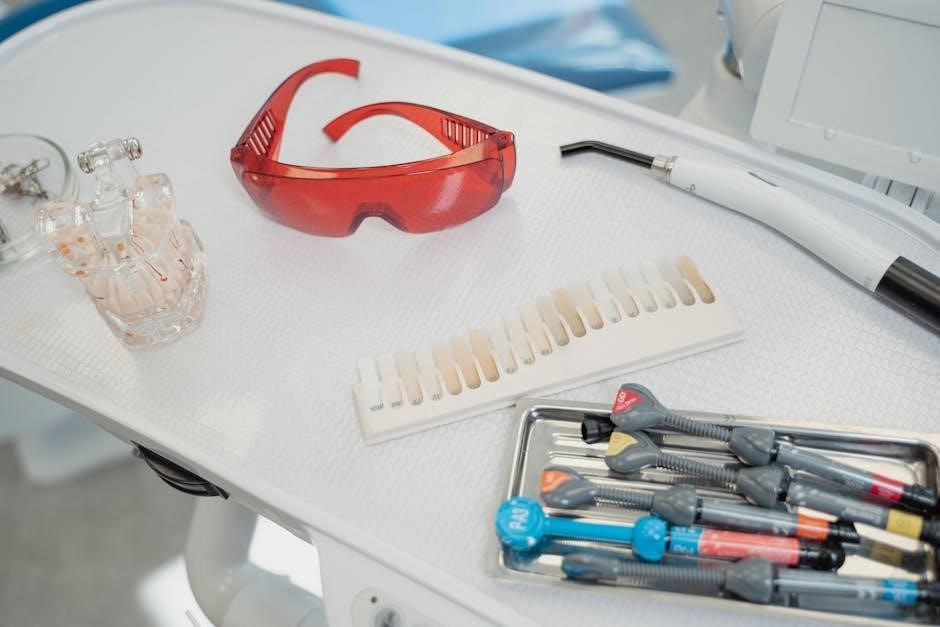
The enduring legacy of the Vita system lies in its ability to bridge the gap between the clinical and laboratory phases of restorative treatment. It provided a shared vocabulary‚ facilitating more predictable and aesthetically pleasing outcomes. However‚ the system’s evolution didn’t halt with standardization; it continued to adapt to emerging trends like teeth whitening‚ as evidenced by the later addition of bleached shades.
The Vita Classical Shade Guide
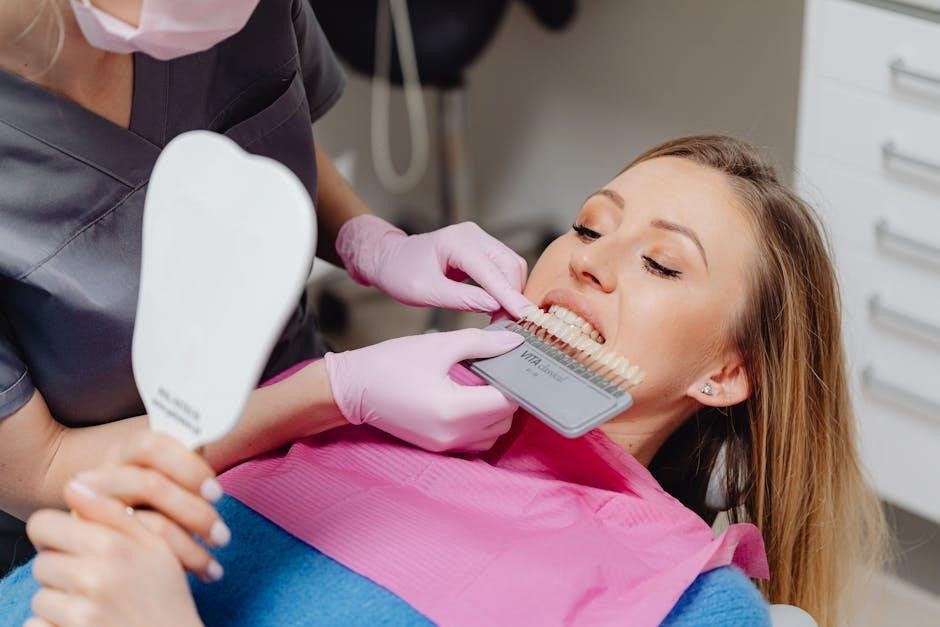
The Vita Classical Shade Guide remains a cornerstone in restorative dentistry‚ widely recognized for its systematic approach to tooth color matching. It comprises a series of 16 shades‚ categorized into three main groups: A‚ B‚ and C‚ representing the hue. Each group contains shades numbered 1 through 5‚ indicating value (lightness or darkness). Additionally‚ the guide includes D shades‚ which are lighter and more yellowish‚ and shades W1-W5‚ representing bleached or highly translucent teeth.
This guide isn’t merely a collection of plastic tabs; it’s a carefully constructed system based on the principles of color theory. Dentists utilize the guide to determine a patient’s existing tooth shade under standardized lighting conditions. The selection process involves comparing the teeth to the guide‚ considering hue‚ value‚ and chroma (intensity of color).
Many dental professionals have relied on the Vita Classical guide throughout their careers‚ sometimes using the same guide since dental school. Vident’s role in distributing and maintaining the quality of these guides is crucial. Despite the emergence of digital technologies‚ the Vita Classical guide continues to serve as a fundamental tool for shade communication and achieving natural-looking restorations.
Understanding the Vita Classical System
The Vita Classical System organizes shades based on three primary color components: hue‚ value‚ and chroma. Hue refers to the overall color – represented by the A‚ B‚ and C groups – with A shades being reddish-brown‚ B shades yellowish-red‚ and C shades grayish. Value dictates the lightness or darkness of the shade‚ indicated by the numbers 1 to 5‚ where 1 is lightest and 5 is darkest.
Chroma describes the color intensity or saturation. While the Vita Classical guide doesn’t explicitly quantify chroma‚ it’s visually assessed during shade selection. Dentists must consider how much color is present in the tooth. The D shades offer a lighter‚ more yellowish option‚ while W shades cater to bleached teeth.
Effective use of the system requires understanding how these components interact. A slight change in value can significantly alter the perceived shade. Furthermore‚ the guide’s effectiveness relies on consistent lighting and a systematic approach to comparison. Mastering this system allows for predictable and aesthetically pleasing restorative outcomes‚ ensuring a harmonious blend with the patient’s natural dentition.
Vident’s Enhancements to the Vita Classical Guide
Vident‚ recognizing evolving aesthetic demands‚ has proactively expanded the Vita Classical Shade Guide. A significant enhancement is the incorporation of bleached shades‚ directly addressing the increasing prevalence of teeth whitening procedures among patients. This addition allows dental professionals to more accurately match restorations to bleached teeth‚ a previously challenging task with the original system.

These new shades aren’t simply added as an afterthought; they’re carefully calibrated to integrate seamlessly with the existing Vita framework. This ensures continuity and avoids disrupting the established workflow for practitioners familiar with the original guide. Janet Siwinski‚ Vident’s clinical marketing manager‚ highlights that many dentists still rely on guides from their schooling‚ emphasizing the need for updated options.
Beyond bleached shades‚ Vident continues to refine the manufacturing process and material quality of the guides‚ ensuring color stability and longevity. These improvements aim to mitigate the potential for shade drift over time‚ a concern with prolonged use‚ and maintain the guide’s reliability as a crucial tool for restorative dentistry.
The Addition of Bleached Shades
The integration of bleached shades into the Vita Classical Shade Guide by Vident represents a direct response to the surging popularity of teeth whitening treatments. Patients increasingly seek brighter smiles‚ creating a demand for restorative materials that accurately mimic these altered tooth hues. Previously‚ matching restorations to bleached teeth posed a significant challenge‚ often resulting in suboptimal aesthetic outcomes.
These newly added shades aren’t merely lighter versions of existing colors; they’ve been meticulously developed to reflect the specific tonal shifts induced by common bleaching agents. This nuanced approach acknowledges that bleached teeth don’t simply become “whiter” but exhibit changes in value‚ chroma‚ and hue. The goal is to provide clinicians with a more comprehensive palette for achieving natural-looking restorations.
Vident’s commitment to this enhancement underscores the importance of staying current with evolving patient preferences and treatment modalities. By offering a dedicated range of bleached shades‚ the Vita guide remains a relevant and reliable tool for modern restorative dentistry‚ ensuring predictable and aesthetically pleasing results for whitening patients.
Challenges in Traditional Shade Matching
Traditional shade matching‚ relying heavily on visual comparison with Vita shade guides‚ is inherently fraught with difficulties. The process is susceptible to numerous variables that compromise accuracy and consistency. Ambient lighting conditions play a crucial role; differing light sources dramatically alter perceived color‚ leading to discrepancies between the clinical setting and the final restoration.
Furthermore‚ the human eye’s adaptability and individual perceptual differences introduce significant subjectivity. What one clinician perceives as a perfect match‚ another may not. Factors like fatigue‚ surrounding colors‚ and even the clinician’s emotional state can influence shade selection. Dental professionals often rely on guides used since dental school‚ potentially affected by surface changes over time.
These inconsistencies highlight the need for a more objective and reliable method. The inherent limitations of visual assessment demonstrate why achieving predictable‚ aesthetically pleasing results with traditional techniques can be challenging. This underscores the growing interest in and development of digital shade matching technologies designed to mitigate these inherent flaws.
Subjectivity and Reliability Issues
The core challenge with traditional Vita shade matching lies in its inherent subjectivity. Human color perception isn’t uniform; individual variations in visual acuity and interpretation significantly impact shade selection. Clinicians may perceive the same tooth differently‚ leading to inconsistent results‚ even when using the same shade guide.
Reliability is further compromised by external factors. Metamerism‚ where two colors appear to match under one light source but differ under another‚ is a common issue. The surrounding dental environment also influences perception – adjacent teeth and existing restorations affect how a shade is visually assessed.
Long-term use of shade guides introduces another layer of unreliability. Guides experience wear and tear‚ and color changes over time due to light exposure and surface degradation. This means a guide used for years may no longer accurately represent its original intended shades. These factors collectively demonstrate the limitations of relying solely on visual assessment for predictable and consistent shade matching outcomes.
Digital Shade Matching Technologies
Addressing the subjectivity of traditional methods‚ digital shade matching technologies offer a more objective and reliable approach. These systems utilize spectrophotometers or digital cameras to capture precise color data from the tooth‚ minimizing human error. Digital images‚ acquired under standardized lighting conditions‚ provide consistent and quantifiable results.
These technologies often incorporate sophisticated software that analyzes the captured data and compares it to established shade scales‚ including Vita shades. Some systems allow for virtual shade selection‚ enabling clinicians to preview the final restoration shade before fabrication. This reduces the risk of mismatches and improves patient satisfaction.
Furthermore‚ digital systems facilitate better communication between dentists and dental technicians. Precise color data can be digitally transmitted‚ ensuring accurate reproduction of the desired shade. While not replacing the clinician’s expertise‚ these tools enhance the predictability and efficiency of the shade-matching process‚ offering a significant advancement over purely visual methods.
Standard Lighting Conditions for Accurate Shade Assessment

Achieving accurate shade matching‚ whether utilizing Vita guides or digital systems‚ fundamentally relies on consistent and controlled lighting. Ambient light significantly impacts color perception‚ introducing variability and potential errors. Ideal assessment requires diffused daylight‚ equivalent to approximately 5500 Kelvin‚ mimicking natural outdoor illumination.
However‚ relying solely on natural light is impractical. Therefore‚ dental operatory lighting should be standardized‚ employing color-corrected lamps specifically designed for shade matching. These lamps minimize metamerism – where two colors appear to match under one light source but differ under another. Eliminating shadows and reflections is also crucial; proper positioning of the light source and the use of a shade-matching mirror are essential.
Consistent lighting isn’t just about the lamp itself. The surrounding environment should be neutral in color‚ avoiding reflective surfaces or brightly colored materials that could influence perception. Digital shade matching systems inherently control for lighting‚ but even these benefit from a standardized operatory environment to ensure optimal data capture.
Comparison of Vita Shade Guides with Digital Systems

Traditionally‚ Vita shade guides – particularly the Classical – have been the cornerstone of shade selection‚ offering a tactile and visual reference. However‚ these systems are inherently subjective‚ prone to inter-examiner variability and influenced by individual perception. Digital shade matching technologies aim to overcome these limitations by providing objective‚ quantifiable data.
Digital systems‚ utilizing spectrophotometers or digital cameras‚ capture color information under standardized lighting‚ minimizing environmental influences. This data can then be used to formulate restorative materials with a precise shade match. While initial investment costs are higher‚ digital systems offer increased consistency and reproducibility.
Despite advancements‚ digital systems aren’t without drawbacks. Calibration and maintenance are crucial‚ and the technology requires a learning curve. Many clinicians still prefer the initial visual assessment with a Vita guide‚ using digital tools to refine and confirm their selection. Ultimately‚ a combined approach – leveraging the strengths of both systems – often yields the most predictable aesthetic outcomes.
YouTube Music and Dental Professionals (Relevance to Information Access)
While seemingly unrelated‚ platforms like YouTube Music represent a significant shift in how dental professionals access information and stay current with evolving techniques‚ including those surrounding shade matching with Vita systems. The platform offers a vast library of content‚ from music to educational resources‚ accessible during commutes or downtime.
Dental manufacturers and educators increasingly utilize YouTube to disseminate product information‚ clinical demonstrations‚ and case studies related to shade selection. This provides a convenient alternative to traditional continuing education formats. Professionals can readily search for tutorials on utilizing Vita guides‚ interpreting digital shade data‚ or understanding color theory.
Furthermore‚ YouTube Music’s broader accessibility to music can contribute to a more relaxed and focused learning environment. The platform’s subscription model grants access to over 100 million songs‚ fostering a positive atmosphere for professional development. Staying informed is crucial‚ and platforms like YouTube facilitate continuous learning within the dental field.
Utilizing Online Resources for Shade Selection
Beyond traditional methods‚ dental professionals increasingly leverage online resources to refine their shade selection skills when working with Vita shade guides. Numerous websites and forums offer detailed discussions‚ case studies‚ and comparative analyses of different shade-matching techniques. These platforms facilitate peer-to-peer learning and knowledge sharing‚ addressing the inherent subjectivity in the process.
Manufacturer websites‚ like Vident’s‚ provide comprehensive information on their Vita products‚ including downloadable guides‚ instructional videos‚ and frequently asked questions. Access to this official documentation ensures professionals are utilizing the systems correctly and interpreting the shades accurately. Online communities also allow for the exchange of clinical photographs and shade-matching challenges.
Furthermore‚ digital resources offer interactive tools and simulations to enhance understanding. These virtual environments allow practitioners to practice shade selection in a controlled setting‚ improving their diagnostic abilities. The availability of these online resources complements traditional training and supports consistent‚ reliable shade matching with Vita systems.
Future Trends in Shade Matching
The future of shade matching‚ even with established systems like the Vita shade guide‚ is poised for significant advancement through technological integration. Personalized shade selection‚ driven by artificial intelligence (AI) and machine learning‚ will likely become commonplace. These technologies analyze patient-specific data – skin tone‚ age‚ and existing dentition – to predict optimal shade outcomes with greater precision than traditional methods.
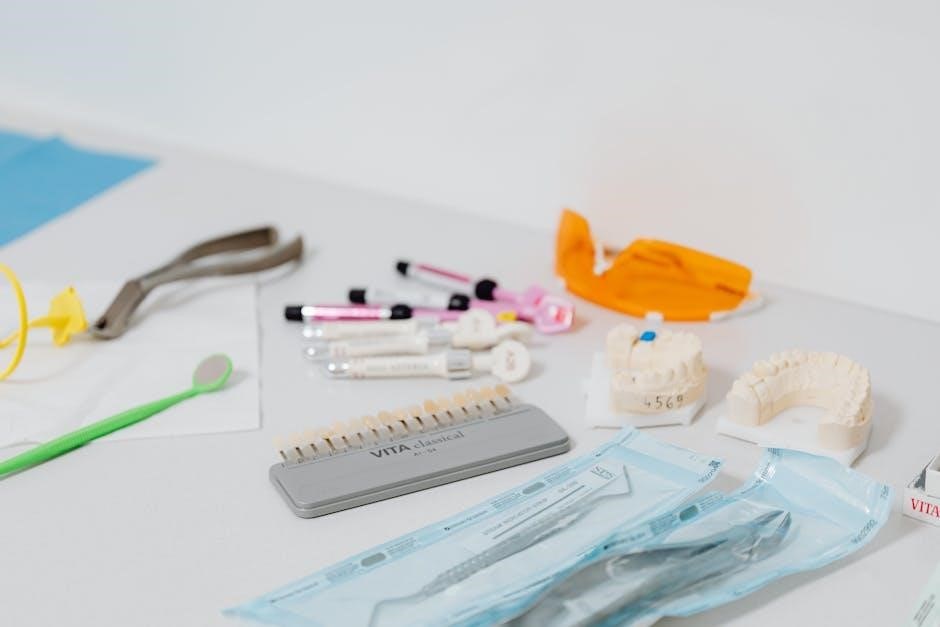
Further development of digital shade matching devices‚ offering improved accuracy and consistency‚ is anticipated. These devices will move beyond simple colorimetry‚ incorporating spectral analysis to capture subtle variations in tooth structure. Integration with practice management software will streamline the shade selection process‚ creating a seamless workflow.
Despite these advancements‚ the fundamental principles of the Vita system will likely remain relevant. However‚ expect to see hybrid approaches combining the tactile experience of physical shade tabs with the objective data provided by digital tools‚ ultimately enhancing aesthetic results and patient satisfaction.
The Role of Technology in Personalized Shade Selection
Technology is rapidly transforming shade selection‚ moving beyond the standardized approach of guides like the Vita Classical. Digital imaging‚ utilizing spectrophotometers and calibrated monitors‚ offers a more objective assessment of tooth color‚ minimizing subjectivity. This is crucial as individual perception varies significantly.
AI-powered software analyzes digital images‚ factoring in surrounding tissues and facial aesthetics to predict the most harmonious shade. These systems can even simulate the final restoration‚ allowing clinicians and patients to visualize the outcome before treatment. This personalized approach considers unique patient characteristics‚ unlike a one-size-fits-all method.
Furthermore‚ intraoral scanners create precise digital models‚ facilitating virtual shade selection directly on the patient’s dentition. Coupled with YouTube Music-like access to educational resources and online communities‚ dental professionals can stay abreast of the latest technological advancements and refine their skills. This integration of technology promises more predictable and aesthetically pleasing results.